

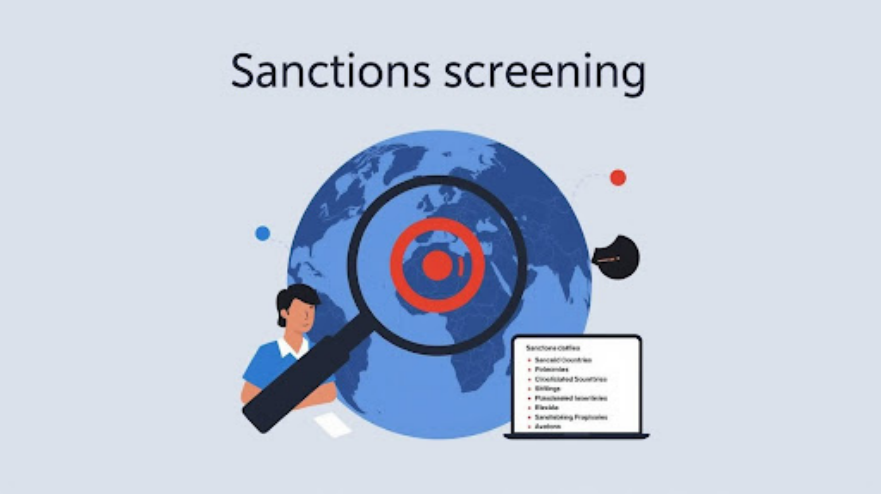
Financial institutions face increasing pressure to identify and mitigate sanctions-related risks while managing a growing volume of screening alerts. Traditional review methods often generate thousands of notifications, many of which turn out to be false positives. As regulatory expectations continue to evolve, organizations are turning to machine learning to improve the efficiency and accuracy of sanctions alert prioritization.
By leveraging advanced analytics, compliance teams can focus their attention on the most critical alerts, reduce investigation workloads, and strengthen risk management processes without compromising regulatory obligations.
Understanding the Challenge of Sanctions Screening
Effective Sanctions Screening is a critical component of every compliance program. Organizations must continuously monitor customers, transactions, and counterparties against global watchlists to ensure they do not engage with sanctioned entities or individuals.
However, conventional screening systems frequently produce large volumes of alerts because of name similarities, incomplete data, and changing risk patterns. Compliance analysts often spend significant time reviewing low-risk matches, leaving fewer resources available for genuinely suspicious cases.
The challenge becomes even greater when institutions must monitor multiple regulatory lists, including the OFAC Sanctions list, United Nations sanctions programs, and regional restrictions. As sanctions frameworks expand, the need for smarter alert management becomes increasingly important.
The Role of Machine Learning in Alert Prioritization
Machine learning introduces a data-driven approach to evaluating screening results. Instead of treating every alert with equal importance, algorithms analyze historical decisions, risk indicators, and contextual information to determine which alerts deserve immediate attention.
By identifying patterns within previous investigations, machine learning models can estimate the likelihood that an alert represents a true sanctions concern. This allows compliance teams to rank alerts according to risk and allocate resources more effectively.
Unlike static rule-based systems, machine learning continuously improves as new data becomes available. This adaptability helps institutions respond more effectively to evolving threats and regulatory changes.
Key Benefits for Compliance Teams
Organizations implementing machine learning within their sanctions programs often experience several operational advantages:
- Faster identification of high-risk alerts
- Reduced false positive volumes
- More efficient investigator workflows
- Improved allocation of compliance resources
- Enhanced consistency in alert review decisions
These benefits contribute to stronger compliance outcomes while helping institutions manage increasing screening demands.
Managing Risks Related to Secondary Sanctions
Global enforcement efforts have placed additional focus on Secondary Sanctions, which can impact organizations even when they are not directly operating within a sanctioning jurisdiction. Businesses that engage with sanctioned parties through indirect relationships may face significant regulatory and reputational consequences.
Machine learning models can help identify complex risk connections that traditional systems may overlook. By analyzing customer behavior, transaction patterns, geographic exposure, and network relationships, advanced screening platforms can provide deeper insights into potential sanctions risks.
This enhanced visibility enables organizations to detect indirect exposure earlier and take appropriate preventive measures before risks escalate.
Enhancing AML Sanctions Screening Programs
Modern AML Sanctions Screening programs require more than simple list matching. Compliance teams must evaluate contextual factors, assess customer risk profiles, and maintain effective monitoring procedures across multiple jurisdictions.
Machine learning supports these objectives by introducing intelligent prioritization capabilities. Rather than overwhelming investigators with excessive alerts, advanced systems can highlight cases that warrant closer examination based on risk characteristics and historical outcomes.
This approach not only improves operational efficiency but also strengthens overall compliance effectiveness. Institutions can demonstrate a more risk-based methodology while maintaining thorough oversight of sanctions-related activities.
The Importance of High-Quality Data
The success of any machine learning initiative depends heavily on data quality. Inaccurate, incomplete, or outdated information can reduce model effectiveness and lead to poor prioritization decisions.
Organizations should ensure that customer records, transaction data, and sanctions sources remain accurate and consistently maintained. Reliable data allows machine learning models to generate more meaningful insights and improve decision-making over time.
Additionally, ongoing model validation and governance are essential to ensure transparency, accountability, and regulatory compliance.
How AML Watcher Supports Smarter Screening
As sanctions regulations become more complex, technology providers are helping organizations modernize their compliance operations. AML Watcher delivers advanced screening capabilities designed to support risk-based compliance strategies and improve sanctions monitoring processes.
By combining comprehensive sanctions data coverage with intelligent screening technologies, AML Watcher enables organizations to manage alerts more efficiently while maintaining confidence in their compliance programs. Enhanced prioritization capabilities help compliance professionals focus on the alerts that matter most, reducing operational burdens and supporting more informed decision-making.
Conclusion
The growing complexity of global sanctions enforcement requires organizations to move beyond traditional alert management approaches. Machine learning offers a practical solution for prioritizing sanctions alerts, reducing false positives, and improving investigative efficiency.
As institutions continue to navigate expanding sanctions obligations, including requirements related to the OFAC Sanctions list and broader international restrictions, intelligent alert prioritization will play an increasingly important role in compliance success. Organizations that adopt advanced technologies today will be better positioned to manage risk, improve operational performance, and strengthen their overall sanctions compliance framework.