

Portable solar power generators have moved from niche gadgets to mainstream energy tools. More homeowners, campers, and emergency planners now consider them a serious alternative to traditional power sources. Rising electricity prices, frequent power outages, and growing interest in clean energy all play a role in this shift. Unlike gas-powered generators, solar generators run quietly and produce no direct emissions. Users can charge them using sunlight, wall outlets, or vehicle ports. This flexibility makes them attractive for both everyday use and emergencies. People use them during camping trips, outdoor work, remote travel, and short-term power outages at home. However, portable solar generators usually cost more upfront than many traditional options. This price difference leads to a common question: are they really worth the cost, or are they just convenient but expensive gadgets? The answer depends on how they work, what you pay for, and how you plan to use them. Understanding these factors helps buyers decide whether the investment makes sense.
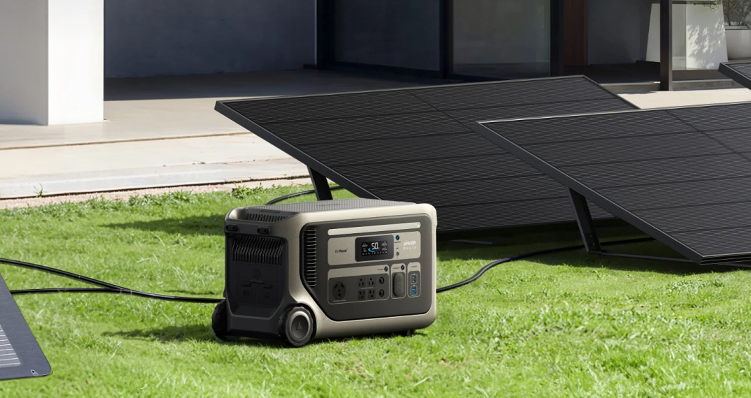
How Portable Solar Power Generators Work and What You Get
Portable solar power generators store electricity rather than produce it directly. They collect energy from external sources and make it available when needed. This design changes how users think about backup and portable power.
Core Components Explained: Battery, Inverter, Solar Panels
Every portable solar generator includes three main parts. The battery stores energy for later use. Most modern units rely on lithium-based batteries, which offer better efficiency and longer lifespan than older battery types. The inverter converts stored direct current (DC) electricity into alternating current (AC). Most household devices require AC power, so the inverter plays a critical role. A higher-quality inverter provides stable power and protects sensitive electronics. Solar panels are usually optional but essential for off-grid use. These panels capture sunlight and convert it into usable electricity. Users can connect panels directly to the generator to recharge it without relying on the grid. Many systems also support charging from wall outlets and vehicle chargers, which adds flexibility.
Power Output, Capacity, and Charging Options Compared
Power output determines which devices the generator can run. Small units handle phones, lights, and laptops. Larger units support appliances like fans, small refrigerators, or medical equipment. Battery capacity affects how long devices can run before needing a recharge. Charging speed matters as well. Solar charging depends on sunlight conditions and panel size. Wall charging usually works faster, while vehicle charging offers a backup option. Understanding these limits prevents unrealistic expectations and helps users choose the right size for their needs.
Cost Breakdown – What Are You Really Paying For?
The price of a portable solar power generator reflects more than just a battery and a handle. Buyers pay for technology, convenience, and long-term value.
Upfront Purchase Price vs Long-Term Energy Value
Portable solar generators often cost more upfront than gas generators with similar power output. The higher price comes from advanced batteries, inverters, and safety systems. However, solar generators do not require fuel purchases. Over time, this difference can reduce operating costs. For users who rely on frequent outdoor power or face regular outages, the savings add up. Free solar charging reduces dependence on fuel or grid electricity. While the initial cost may feel high, the long-term energy value can justify the expense for certain users.
Maintenance Costs, Lifespan, and Replacement Considerations
Maintenance costs stay low compared to fuel-based generators. Solar generators have fewer moving parts. Users do not need oil changes, spark plug replacements, or fuel stabilizers. Regular care mainly involves keeping ports clean and storing the unit properly. Battery lifespan still matters. Most lithium batteries last several years before capacity declines. Replacement costs vary but should factor into long-term planning. Even so, many users find that lower maintenance and quiet operation offset battery aging over time.
Are Portable Solar Power Generators Worth the Cost for Most Users?
The value of a portable solar generator depends heavily on how and where people use it. Comparing alternatives helps clarify whether the cost makes sense.
Comparing Solar Generators to Gas Generators and Power Banks
Gas generators provide high power output and long runtimes. However, they require fuel, produce noise, and emit fumes. Many users cannot operate them indoors or in quiet environments. Solar generators avoid these problems but offer lower continuous output. Power banks serve smaller needs. They charge phones and tablets but cannot support appliances. Solar generators fill the middle ground. They offer more power than power banks and greater safety and convenience than gas generators. Each option serves a different purpose. Solar generators work best when silence, portability, and clean operation matter more than maximum power.
Use Cases That Justify the Investment and Those That Don’t
Solar generators make sense for camping, van travel, outdoor work, and emergency backup for essential devices. They also suit apartments or homes where gas generators are impractical or restricted. They may not suit users who need to power large tools or whole homes for extended periods. In those cases, the cost rises sharply to reach the required capacity. Buyers should match expectations to realistic use scenarios before investing.

Conclusion
Portable solar power generators are not one-size-fits-all solutions. They shine in situations that demand quiet, clean, and flexible power. Their higher upfront cost reflects advanced technology, low maintenance, and long-term usability rather than simple energy output. For users who value renewable energy, convenience, and safety, the cost often feels justified. The ability to generate power without fuel, noise, or fumes offers real advantages. Over time, reduced operating costs and dependable performance add further value. However, users with heavy power demands or limited access to sunlight may find better options elsewhere. The key lies in understanding personal needs and usage patterns. When matched correctly, a portable solar power generator can be a smart and worthwhile investment rather than an unnecessary expense.