

Portable power stations allow users to stay charged wherever they go. These small, battery-powered machines store electricity and distribute it via AC outlets, USB connections, and DC carports. Unlike fuel generators, they operate silently, emit no odors, and are suitable for both indoor and outdoor usage. They are used for a variety of purposes, including charging cellphones and computers, as well as powering refrigerators and CPAP machines. Their versatility and sleek design make them helpful at home, on the go, and in an emergency. As energy demands rise and mobility becomes more important, portable power stations provide a simple, dependable option to keep your basics operating off the grid.

What Are Portable Power Stations Commonly Used For?
Everyday Home and Lifestyle Applications
Many individuals rely on portable power stations for daily recharge and convenience at home. They provide backup power for Wi-Fi routers, phones, tablets, and laptop computers during temporary outages. Families use them to power fans, baby monitors, and small kitchen appliances without using extension cables. Home offices benefit from having a dedicated, portable energy supply to keep gadgets functioning during minor outages. People also use them in their backyards or garages to power lights, speakers, or equipment when outlets are not available. Their quiet and cordless design integrates effortlessly into daily activities, providing consumers with versatile power without clutter. They’re useful tools for making modern life more adaptive and robust.
Outdoor, Travel, and Mobile Power Scenarios
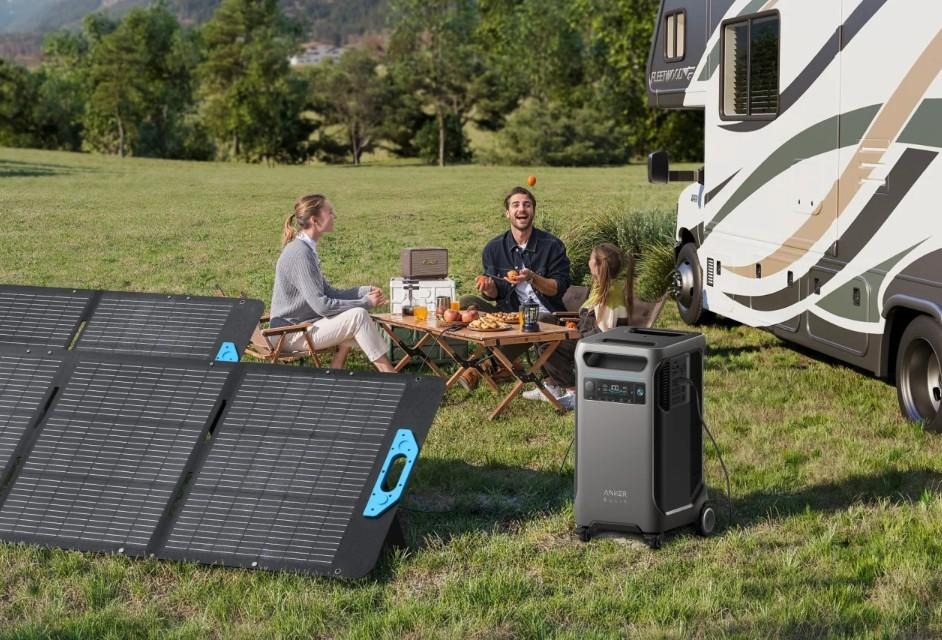
Campers, vanlifers, and travelers rely on portable power stations to power equipment in places where regular outlets are not available. These stations provide power to things like phones, lights, drones, and mini-fridges, whether you’re camping off-grid, touring national parks in an RV, or working remotely from your car. They recharge using solar panels, car ports, or wall plugs, allowing for longer usage in the outdoors or on the road. Hikers utilize smaller devices to keep connected, whereas overlanders power cooking equipment, navigation instruments, or air compressors. Their mobility, quiet operation, and lack of fuel dependence make them an excellent alternative for anyone looking for independence without losing functionality.
Backup Power for Planned and Unplanned Situations
Portable power stations provide peace of mind during power outages, scheduled blackouts, and emergency situations. When the power goes out, they power important gadgets such as phones, medical equipment, radios, and LED lights. Unlike gas generators, they are safe to operate indoors and do not require ventilation or fuel storage. People who live in storm-prone locations or in places with shaky power networks frequently keep them charged and ready. They’re also great for backup during house renovations or energy-saving projects. Many customers love the quick response—simply push a button and plug in. Whether for natural catastrophes, rolling blackouts, or personal situations, these stations deliver dependable electricity when it’s most needed.
Why Are Portable Power Stations Gaining Popularity?
Clean, Quiet, and User-Friendly Power Solutions
Portable power stations are becoming increasingly popular because they deliver electricity without the noise, pollutants, or bother associated with typical generators. These battery-powered machines operate silently and do not require gasoline or oil, making them suitable for use indoors, in tents, or around children and pets. They begin at the press of a button—no pulling cables or managing gasoline. Users can stay in control thanks to screens that show battery life and output. Advanced versions include wireless charging and app control, which improves convenience. Their environmentally friendly design promotes sustainable energy consumption, particularly when combined with solar panels. As people seek cleaner and easier methods to keep fueled, these stations emerge as the better option.
Flexible Power Access Without Permanent Installation
A portable power station can give users the freedom to take electricity wherever they go, without installing complicated systems. Unlike backup generators or solar panels, they don’t require any installation, wiring, or permissions. They can be moved from room to room, house to car, or indoors to outside in seconds. This flexibility is especially useful for renters, travelers, and those with limited space. These stations adapt to every activity, whether it’s operating a blender at a picnic, charging electronics on the job site, or providing emergency power during a blackout. Their plug-and-play design makes energy access simple, portable, and on-demand—without requiring a single site or extensive infrastructure.
Long-Term Value for Daily and Occasional Use
Portable power stations provide significant long-term value since they meet both routine and emergency requirements. Instead of lying idle like many typical backup devices, they are frequently utilized for camping, tailgating, or outdoor labor. Their lithium batteries have hundreds of charge cycles and may last for years with appropriate care. You save money by eliminating fuel purchases, maintenance, and expensive generator repairs. Additionally, solar recharging lowers power expenditures and increases off-grid independence. These stations encourage efficient energy use while decreasing waste and environmental impact. Over time, their everyday use and emergency dependability make them a cost-effective investment that pays off in convenience, safety, and peace of mind.
Conclusion
Portable power stations offer convenience, safety, and flexibility in a single compact device. They charge your everyday electronics, assist your outdoor pursuits, and provide backup power if the grid fails. Unlike gas generators, they are clean, silent, and safe, with no need for fuel or maintenance. Whether you’re working remotely, camping off-grid, or prepping for power disruptions, a portable station provides dependable power whenever you need it. Their increase in popularity reflects an increasing need for portable, user-friendly power sources. As more individuals prioritize self-sufficiency and environmental responsibility, these units become more than simply tools—they are indispensable companions in both everyday and emergency situations.