

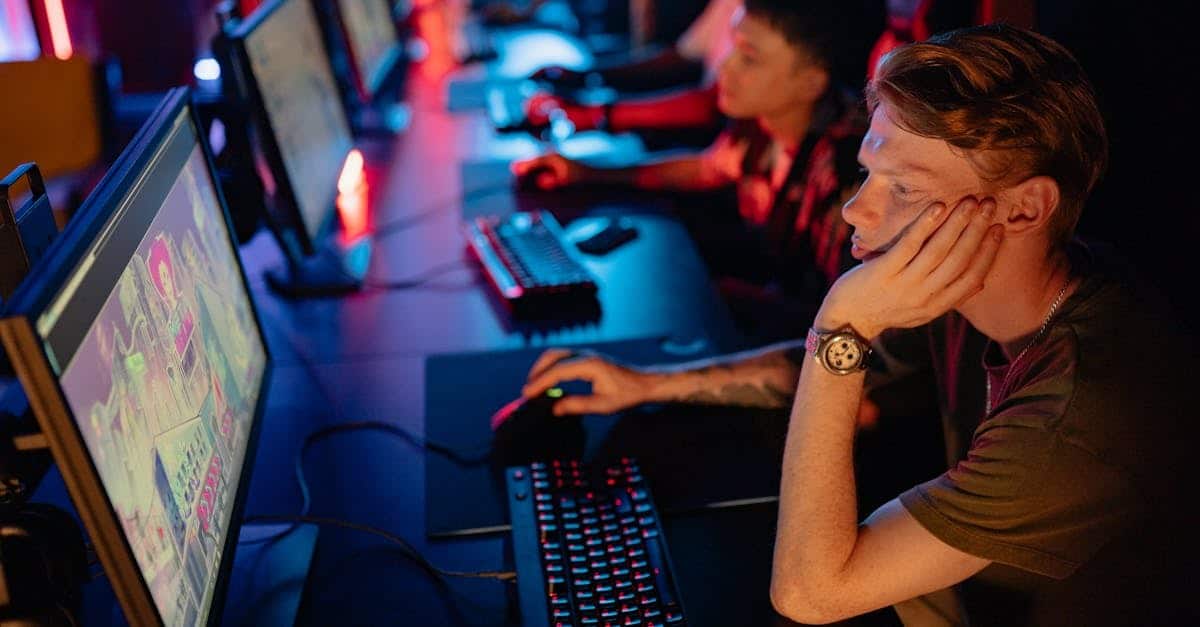
Have you noticed how gaming has shifted from something people did in isolation to a central part of everyday social life? What once seemed like a niche hobby confined to basements and arcades has become woven into the fabric of how millions of people spend their time, communicate, and build communities. This transformation didn’t happen overnight, and it wasn’t driven by any single technology or trend.
The real story is about digital habits. These are the small, repeated behaviors that have gradually normalized gaming as a mainstream activity. From streaming your gameplay to friends to checking in on gaming communities before breakfast, these habits have fundamentally changed how people perceive and participate in gaming culture.
Understanding these habits gives us insight into why gaming has become so culturally significant and how it continues to shape the way people interact with entertainment and each other.
The Rise Of Social Gaming Habits
Gaming stopped being a solitary activity the moment people found ways to connect with others while playing.
One of the biggest shifts in digital habits has been the normalization of playing with friends remotely. Whether through voice chat, shared screens, or collaborative gameplay, people now expect to play alongside others rather than alone. This habit has made gaming feel less like a personal escape and more like a social gathering. Friends who live across the country can meet up for gaming sessions just as easily as they meet for coffee, and this routine has become completely normal for younger generations.
Another significant habit is the constant sharing of gaming moments. People record clips, take screenshots, and post highlights from their sessions across social platforms. This behavior has created a feedback loop where gaming becomes more interesting because it’s shareable, and sharing gaming content becomes a way to maintain friendships and build status within social circles. The habit of capturing and sharing has made gaming a public performance, not just a private activity.
Daily Engagement And Community Participation
Gaming culture has developed its own daily rhythms and routines that keep people coming back.
One common habit is the daily check-in. Players log in at specific times to complete daily tasks, maintain streaks, or participate in limited-time events. This creates a sense of obligation and routine that mirrors habits like checking email or social media. The psychological reward of maintaining a streak or unlocking daily rewards keeps people engaged consistently, turning gaming into something they do every single day rather than occasionally.
Community participation has also become a daily habit for many players. Whether through forums, group chats, or in-game guild systems, people spend time discussing strategies, sharing experiences, and helping newer players. This sense of belonging to a community makes gaming feel less like entertainment and more like membership in something larger. The habit of showing up for your community, whether that’s attending virtual meetups or contributing to group goals, has transformed gaming from a passive entertainment choice into an active social commitment.
Content Consumption And Learning Patterns
The way people learn about and stay informed on gaming has created new digital habits.
Watching gaming content has become a standard habit for both players and non-players. People watch tutorials to improve their skills, streams to discover new games, and reviews to make purchasing decisions. This habit of consuming gaming content as educational material has blurred the lines between entertainment and learning. Someone might spend an hour watching strategy guides or gameplay videos as part of their regular routine, treating it as seriously as reading news or educational content.
Another emerging habit is the regular consumption of gaming news and updates. Players check patch notes, follow developer announcements, and participate in discussions about upcoming releases. This habit keeps people mentally engaged with gaming even when they’re not actively playing. The https://loginscbet88.com/ platforms and communities have made staying informed easier than ever, so checking for the latest updates has become as automatic as checking weather forecasts.
Monetization And Spending Habits
How people spend money on gaming has evolved into predictable behavioral patterns.
Regular in-game spending has become normalized for many players. Whether through seasonal passes, cosmetic items, or battle pass purchases, spending money on games has shifted from being an unusual luxury to a routine expense. This habit reflects how gaming has integrated into people’s regular budgets alongside other entertainment and subscription services. The psychological design of these spending opportunities encourages regular, smaller purchases rather than large one-time buys, creating a habit loop that keeps people engaged financially.
Another habit is the participation in limited-time events that encourage spending. Players develop routines around seasonal updates and special events, planning their gaming time and spending around these moments. This creates anticipation and gives people reasons to return regularly. The situs slot mechanics and event structures are specifically designed to encourage these habitual return visits.
The Normalization Of Gaming Identity
Perhaps the most significant habit shift is how people now openly identify as gamers.
Wearing gaming apparel, discussing games in professional settings, and listing gaming as a hobby on social profiles has become completely unremarkable. The habit of publicly claiming a gaming identity, once considered niche, is now mainstream. People integrate gaming references into their daily conversations naturally, treating it as a normal part of their personality rather than something to hide or minimize.
Gaming has become everyday culture because the habits supporting it have become everyday behaviors. From daily logins to social sharing to community participation, these repeated actions have normalized gaming as a fundamental part of how people spend their time and connect with others. The digital habits that drive this culture aren’t complicated, but their cumulative effect has been profound.