In this blog post, you’ll learn the difference between “used to,” “get used to,” and “be used to” in English grammar. These terms can be confusing, but with examples and...
In this blog post, you’ll learn the differences between the modal verbs must and have to, as well as must not vs. don’t have to. These grammar terms are essential...
In this blog post, you’ll learn the rules and examples of direct and indirect speech in English and Urdu. Direct speech quotes the speaker’s exact words, while indirect speech conveys...
In this blog post, you’ll learn the key differences between between and among, two commonly confused prepositions in English grammar. Understanding when to use each will help you improve your...
In this blog post, you’ll learn the important differences between no and not, two commonly misused words in English grammar. Understanding how to use them correctly is crucial for constructing...
In this blog post, you’ll learn the difference between have and have got, two phrases often used interchangeably in English. Both are used to express possession, but they differ slightly...
Understanding the difference between will and going to is essential for mastering future tenses in English. Both are used to talk about the future, but each has its own specific...
Understanding the difference between during and while is essential for mastering English grammar. Both terms refer to actions happening at the same time, but they are used in different grammatical...
Rhyming words are an important part of English language learning, especially for enhancing pronunciation and building vocabulary. Rhymes occur when two or more words share the same ending sound, even...
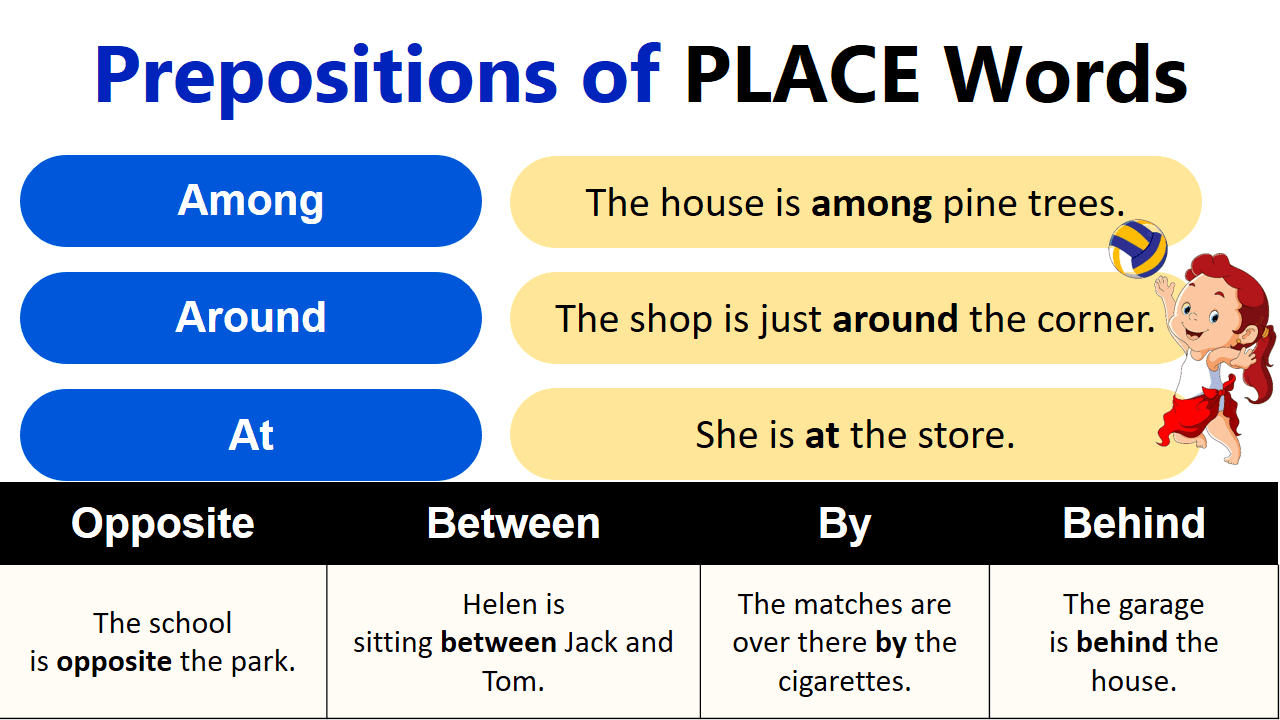
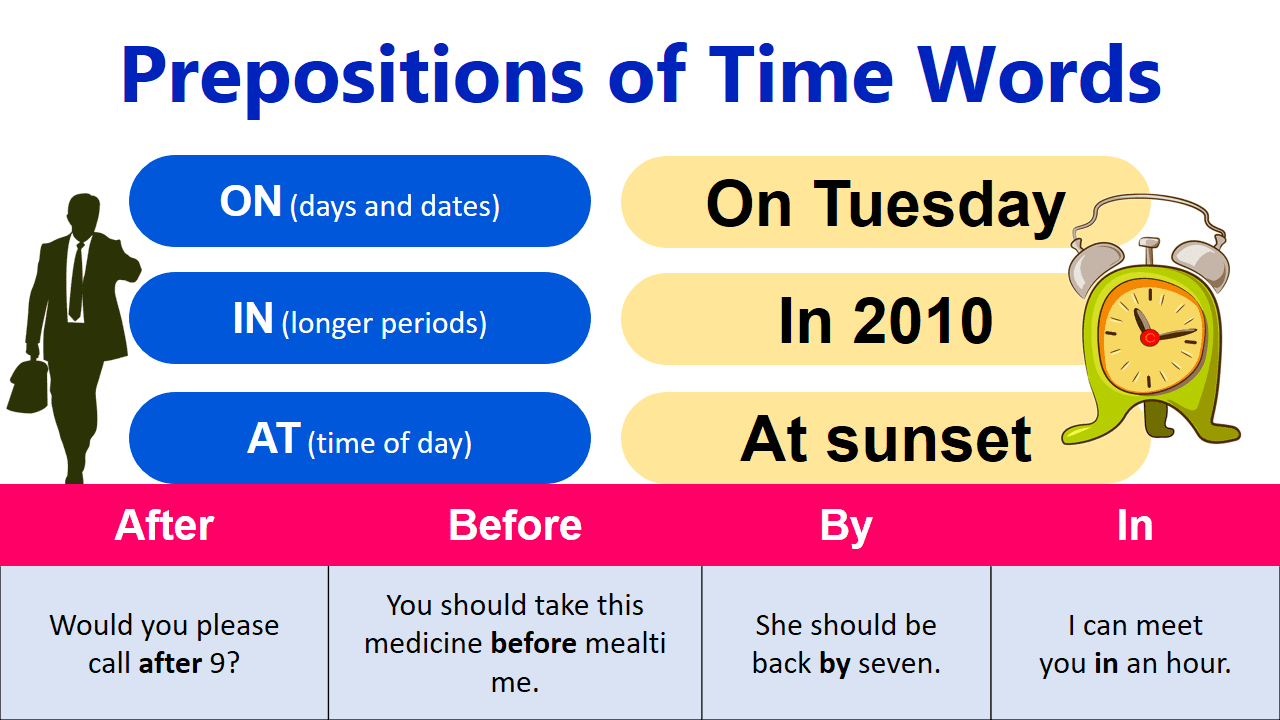
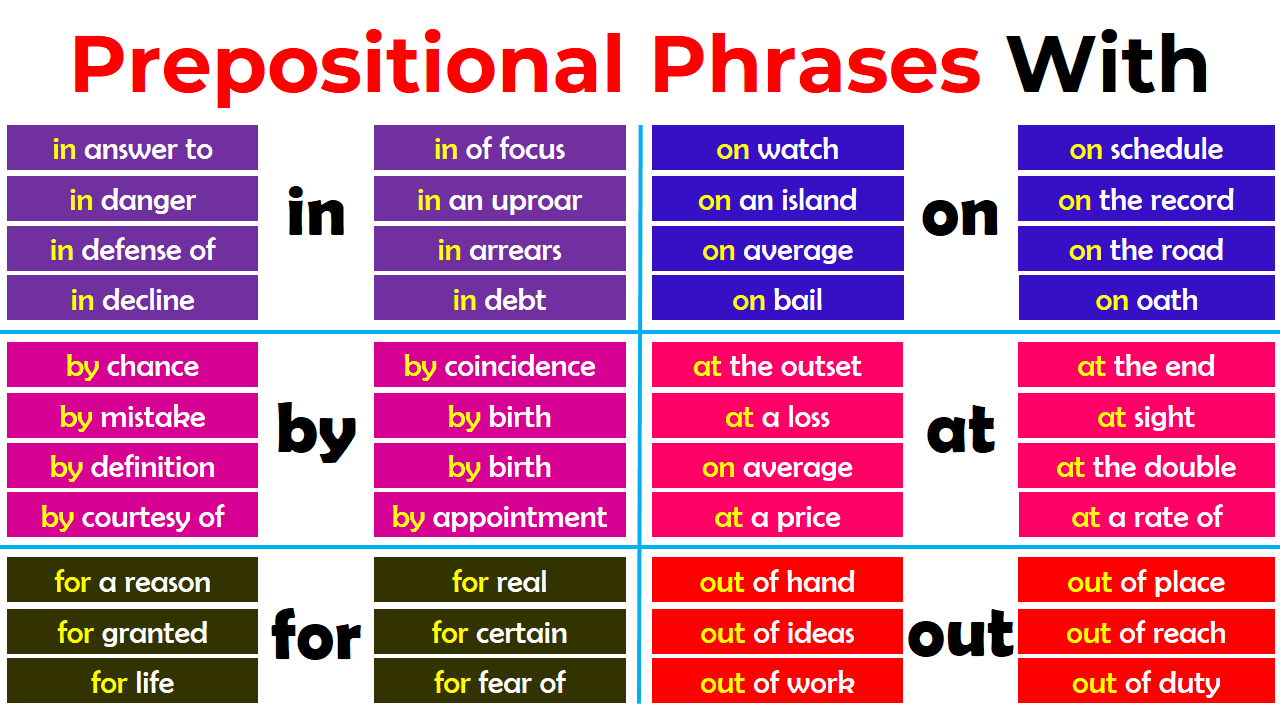
Understanding English Grammar is crucial for creating meaningful sentences and improving communication skills. In this lesson, we’ll explore prepositions and their different categories in English with an Urdu explanation to...