

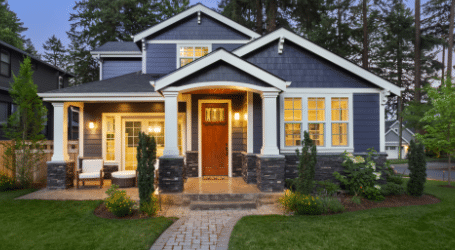
Something is shifting in American homes, quietly, but unmistakably. Homeowners are turning their backs on cookie-cutter layouts and builder-grade everything, gravitating instead toward spaces that actually reflect their lives. According to a 2025 Nationwide report, 33% of homeowners cite the freedom to personalize and renovate as one of the best things about owning a home. One in three households places real emotional weight on that freedom. And that number keeps climbing.
If you’ve been wondering what’s actually driving this, a closer look at custom home designs in 2026 gives you a grounded, honest picture of what thoughtful, character-driven building looks like, and why so many homeowners are finally done with spaces that were built for nobody in particular.
The Real Reasons Personalized Living Spaces Are Surging
The impulse to make a home feel like yours isn’t new. But the urgency behind it? That’s different now.
People aren’t just swapping out light fixtures anymore. They’re questioning floor plans from the ground up, rethinking how materials feel underfoot, and asking hard questions about whether each room actually serves their life, or just takes up square footage.
What’s Pushing This Shift Forward
Remote work didn’t just change schedules. It exposed just how poorly designed most homes are for real, full-time living. Suddenly, generic open plans felt like traps. Families needed dedicated offices. Kids needed learning zones. Adults needed somewhere to decompress without disappearing entirely. This shift is one reason custom home designs in 2026 are increasingly focused on flexibility, personalization, and how people actually live day to day.
Family structures have shifted, too. Multi-generational households, blended families, and single-person homes all carry wildly different needs. A production builder’s standard floor plan addresses almost none of them well. That gap has become impossible to ignore.
What Custom Home Design Trends Actually Look Like in 2026
We’ve moved far past picking a countertop finish and calling it personalized. Today’s customization conversations involve smart technology woven into the architecture, social spaces that feel open without being formless, and rooms designed to shift function when life demands it.
Arched doorways and hand-applied plaster are back. Detailed millwork is back, not as nostalgia, but as a deliberate rejection of the flat, characterless aesthetic that defined so much of the previous decade. Homeowners want surfaces that tell a story. That impulse is shaping everything right now.
Practical Personalization Strategies That Actually Work
Understanding the trend is one thing. Translating it into a home that works for you is another conversation entirely.
Room by Room, Where to Start
Kitchens are where personalization pays off most visibly. Adaptive layouts, dedicated prep zones, eco-conscious cabinetry, and appliances that fit how you actually cook, not how a showroom assumes you do. These choices compound over time.
Living rooms have shed their formality. Layered, flexible arrangements with modular furniture, tunable lighting, and wellness corners for reading or quiet reflection are becoming standard expectations, not luxury line items.
Bedrooms deserve more thought than they typically receive. Walk-in wardrobes are evolving into genuinely calming retreat spaces. Good lighting, organized calm, a small seating area that makes mornings feel less frantic, these details matter more than most people realize until they experience them.
Smart Technology as a Personalization Tool
The homes that truly stand out in 2026 are intelligently wired. IoT systems, AI-driven climate controls, voice-activated security- these aren’t reserved for tech enthusiasts anymore. They’re mainstream tools that shape how a home feels to live in daily.
Customizable lighting alone transforms a room’s mood and function. Layer in smart thermostats and automated window treatments, and you’ve created an environment that genuinely responds to how you live, not a fixed backdrop you adapt yourself to.
Bigger Design Movements Redefining What “Unique” Means
Biophilic Design and Sustainability
Living walls, green roofs, aged wood, rough-cut stone, hand-formed tile, these materials carry character that synthetic alternatives simply cannot replicate. Homeowners want surfaces that feel alive, and that appetite is reshaping specification lists industry-wide.
Water-efficient fixtures and solar integration have evolved beyond cost-cutting measures. For many homeowners, these choices are expressions of values, tangible proof that the house reflects who they are at a deeper level than aesthetics alone.
Adaptability as a Design Philosophy
Sustainability gives a home its conscience. Adaptability gives it staying power. Movable walls, convertible guest suites, and intelligent storage solutions let a home shift alongside its owners rather than quietly working against them.
Statement entry doors, curated art walls, customized ceiling treatments, these aren’t frivolous. They answer a question that no floor plan can: how does this space make you feel the moment you cross the threshold?
Making It Work at Every Budget
A genuinely unique home doesn’t require an unlimited budget. That’s worth saying clearly.
High-Impact, Low-Cost Approaches
DIY modular shelving, peel-and-stick architectural panels, rental-friendly wallpaper, and meaningful personalization are accessible at almost any price point. Local artisans frequently deliver more character per dollar than mass-produced alternatives, often for less than people expect.
When You Have More Flexibility
Custom millwork, smart glass installations, and integrated wellness technology, at higher investment levels, these features create homes that feel entirely curated. A 2025 study found that 35% of new homebuyers cited hidden costs and unexpected upgrades as a significant frustration. That’s exactly why working with a builder who is transparent about personalization costs, from the first conversation, changes the entire experience.
The Deeper Case for Personalization
The most compelling argument for customizing your home isn’t financial. It’s human.
What Your Space Does to Your Mind
Research consistently shows that flexible, modifiable environments contribute directly to psychological well-being, giving residents a sense of control that generic spaces simply cannot provide. Designing for neurodiversity, building in quiet zones, and being intentional about natural light, these decisions shape how people feel every single day.
Homes That Hold Your Story
A space that supports your mental health is powerful. A space that tells your story deepens every relationship inside it. Cultural heritage is displayed proudly. Family heirlooms given real presence. Art that means something. A house becomes something closer to a living legacy when these elements are handled with intention.
Moving From Inspiration to Actual Action
Start With Honest Self-Assessment
Before mood boards and contractor calls, do a lifestyle audit. How do you actually use your space versus how you wish you did? That gap is your design brief. Build from there, then bring in architects, interior designers, and technology consultants who specialize in modern home personalization. The right team eliminates the costly surprises that derail projects.
Balance Timeless and Current
The smartest personalization choices honor both. Choose materials and architectural forms that age with dignity, then layer in technology and trend-forward details that can evolve as life does. Flexibility built into the design itself is what separates a home that works for a decade from one that works for a lifetime.
Frequently Asked Questions
Which personalization choices deliver the strongest resale value?
Kitchen and bathroom upgrades consistently perform well. Smart home technology, energy-efficient systems, and quality flooring also rank highly, particularly when they reflect broad lifestyle needs rather than niche preferences.
How do personalized spaces support family wellness?
Spaces built around real daily routines reduce friction and stress. Dedicated zones for work, rest, play, and connection give every household member genuine ownership, and research links that sense of ownership directly to better emotional health.
What are the most affordable personalization options right now?
Paint, lighting upgrades, modular furniture, and statement hardware remain high-impact and low-cost. Local artisan pieces and architectural salvage deliver remarkable character without the price tag of full custom builds.
A Final Word on Living Intentionally
Homes are no longer simply financial assets. They’re personal statements, wellness environments, and long-term companions in daily life. The growing appetite for personalized living spaces reflects something genuinely real: people want to inhabit places that fit them. Whether you’re exploring home customization ideas on a careful budget or partnering with a builder on a fully realized vision, the investment in authenticity pays off in ways that outlast any market cycle. Start where you are. Build toward what matters. And never underestimate how profoundly the right space shapes the life you actually live inside it.