

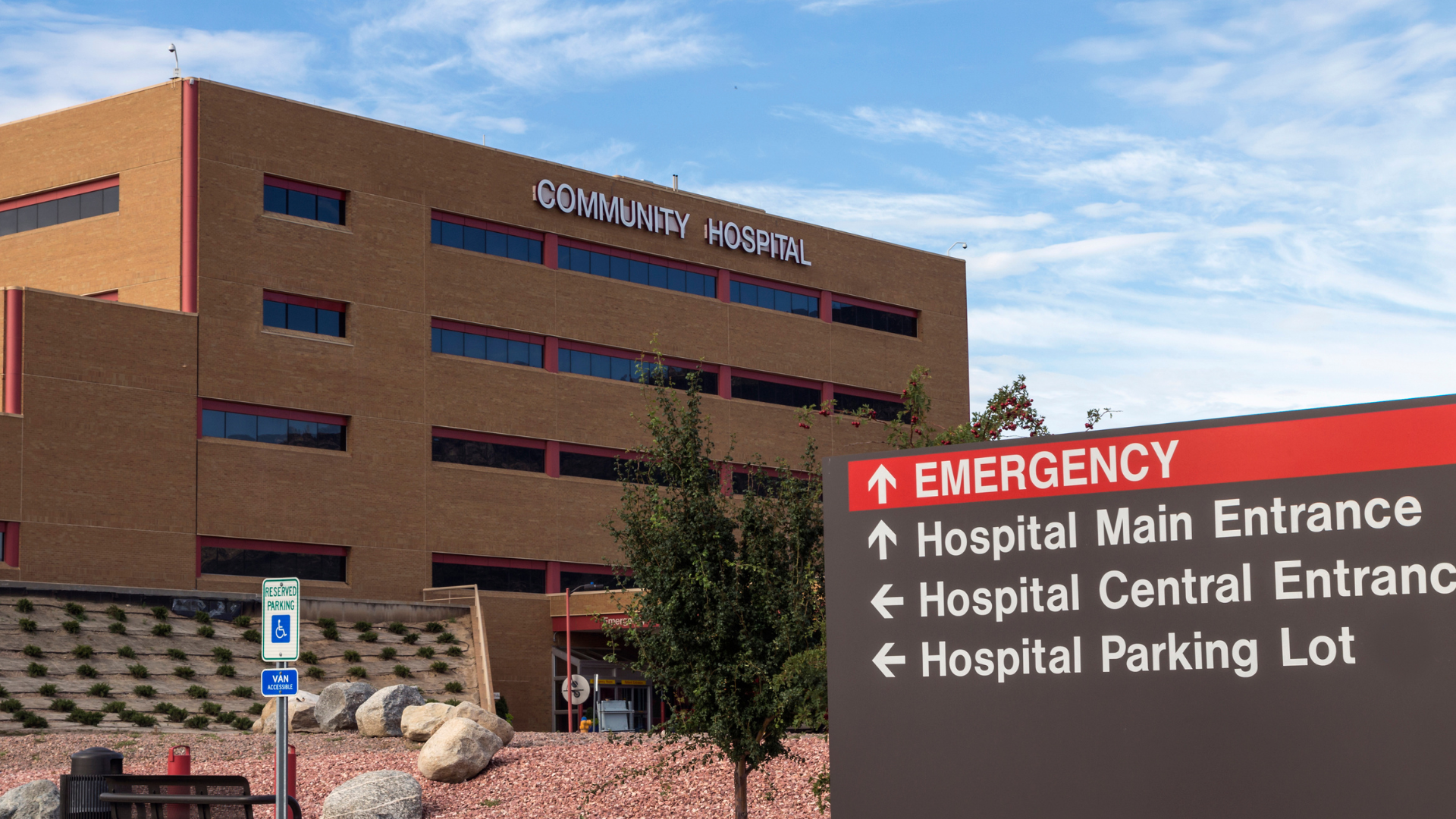
Access to reliable healthcare remains one of the most important factors in building healthier communities, yet many individuals still face barriers to timely medical care. From rising healthcare costs to provider shortages and transportation challenges, accessibility continues to impact millions of people. This growing gap has increased the demand for community healthcare services that are affordable, local, and easy to reach.
Community clinics, urgent care centers, and neighborhood health providers play a critical role in delivering preventive care, chronic disease management, and routine treatment close to where people live. As healthcare needs continue to evolve, accessible community healthcare services are becoming more essential than ever.
The Pressure Behind the Demand for Community Healthcare Access
This isn’t a trend. It’s a reckoning.
Who’s Getting Left Behind and Why
America’s aging population keeps growing. More adults are living with disabilities that require ADA-ready facilities. And economic stress? It’s not abstract; real people are genuinely choosing between a doctor’s visit and keeping the lights on. That’s not an exaggeration. It happens every single day in communities across this country.
When costs get unbearable, people delay care. They wait. And then a manageable problem becomes a crisis, one that costs the whole system more to fix. It’s a cycle that punishes everyone.
The Walls You Don’t Always See
Long distances. Buildings with no ramps. No interpreter on staff. These aren’t edge cases; they’re common enough that people stop trying. Even in a city with ten clinics nearby, accessible healthcare services can feel completely out of reach if none of those clinics speak your language or operate at a time you can actually get there. That disconnect is real, and it’s been underestimated for years.
How to Find the Right Care Without Losing Your Mind
Your search for trusted health services nearby gets dramatically easier when you’re strategic about it. Location-based searches combined with terms like “local community health center” often surface resources that aren’t heavily marketed but are shockingly accessible once you find them.
What to Actually Check Before You Commit
Look for sliding-fee eligibility. Confirm ADA-compliant facilities. Read community reviews, not the polished testimonials, but the honest ones from neighbors who’ve actually been seen there. Those tell you more than any brochure ever will.
Word-of-Mouth Still Works
Community health fairs, neighborhood events, and faith-based organizations connect people to care every single day, no search engine required. Sometimes your neighbor’s recommendation is more reliable than any algorithm. Don’t underestimate it.
What Community Health Centers Are Actually Doing About It
So what’s working? More than people realize.
Built Different, by Design
A local community health center isn’t trying to be a luxury clinic. It’s built for the people that traditional systems tend to forget. Sliding-fee scales. Multi-specialty care under one roof. Community outreach programs that meet patients where they actually live, financially and geographically.
And the numbers back this up. Health centers served 32.4 million patients in 2024, up from 31.3 million in 2023. Demand is clearly accelerating. That’s not a blip. That’s momentum.
Getting There Isn’t Optional, It’s Everything
Proximity matters enormously. Transportation partnerships, neighborhood locations, and extended hours, when centers remove logistical friction, people actually come. It sounds simple. Turns out execution is everything.
| Feature | Traditional Clinic | Community Health Center |
| Cost structure | Fixed fees | Sliding scale |
| Location focus | Urban centers | Underserved areas |
| Cultural competency | Variable | Built-in priority |
| Service breadth | Specialty-specific | Comprehensive |
| Insurance flexibility | Limited | Broad acceptance |
Technology Is Changing Who Gets to Receive Care
Here’s a shift most people haven’t fully absorbed yet: technology isn’t just making healthcare faster, it’s making it reachable for people it previously skipped entirely.
Mobile Units and Telehealth That Actually Work
Mobile clinics go to rural communities where there’s no bus route and no nearby provider. Telehealth, available at just 24% of community health centers in 2018 and a remarkable 96% by 2024, has genuinely transformed who can receive care without leaving home. That growth happened fast because the need demanded it.
Community health workers deserve a mention here too. They connect people to services that those patients didn’t even know existed. That kind of human navigation is irreplaceable.
Simpler Systems, Better Follow-Through
Complicated billing drives people away. Full stop. When administrative processes get simplified and funding moves toward value-based models, patients stop drowning in paperwork, and they actually follow through with care. Imagine that.
What Providers Need to Get Right on Their End
Finding care is only half the equation. Once someone walks through that door, providers have to hold up their side of the deal.
Physical Access Isn’t a Bonus Feature
Adjustable exam tables. Automatic doors. Sensory-friendly waiting areas. These aren’t extras, they’re baseline. Patient portals and scheduling tools also need to work for people with varying tech comfort levels, not just digital natives.
Trust Is Built Through Inclusion
Diverse staffing, multilingual communication, and genuinely inclusive policies signal something patients pick up on immediately: you’re welcome here. And when patients feel respected, they return. That relationship compounds over time in ways that statistics can’t fully capture.
Where Healthcare Is Headed, and Why It Matters Now
The sector is slowly, sometimes frustratingly slowly, recognizing that health is inseparable from circumstances. Housing instability. Food insecurity. Transportation gaps. These aren’t social problems that sit beside health issues. They are health issues.
Cross-Sector Partnerships Are the Future
When health centers partner with social service agencies, they create wraparound support no single clinic could offer alone. Affordable community healthcare depends on these relationships getting stronger and more intentional.
Policy and Predictive Tech Are Catching Up
AI tools are reducing administrative burden and flagging at-risk patients before a crisis hits. Regulatory support for health equity is growing, too. This is genuinely a pivotal moment, if the momentum holds.
The Bottom Line on Accessible Community Healthcare
Accessible care isn’t a luxury program. It’s infrastructure. When people can reach care that’s affordable, culturally respectful, and genuinely nearby, health outcomes improve, for individuals, for communities, for the whole system. The solutions exist right now. Mobile clinics, sliding-scale fees, telehealth, and community health workers, none of this is theoretical.
The gap between those solutions and the people who need them most is solvable. It starts with knowing where to look, what questions to ask, and which organizations have actually committed to serving everyone who walks through their doors.
Frequently Asked Questions
What do accessible healthcare services mean in real life?
Care that’s physically reachable, financially manageable, culturally appropriate, and available without impossible delays. Healthcare that doesn’t punish you for trying.
How do I find affordable community healthcare near me?
Use location-based searches, check HRSA’s health center finder, or ask local organizations. Many centers offer sliding-scale fees regardless of whether you’re insured.
Why is urban healthcare still inaccessible for so many?
Urban doesn’t equal accessible. Transportation gaps, language barriers, and limited hours create real walls even where providers technically exist nearby.