

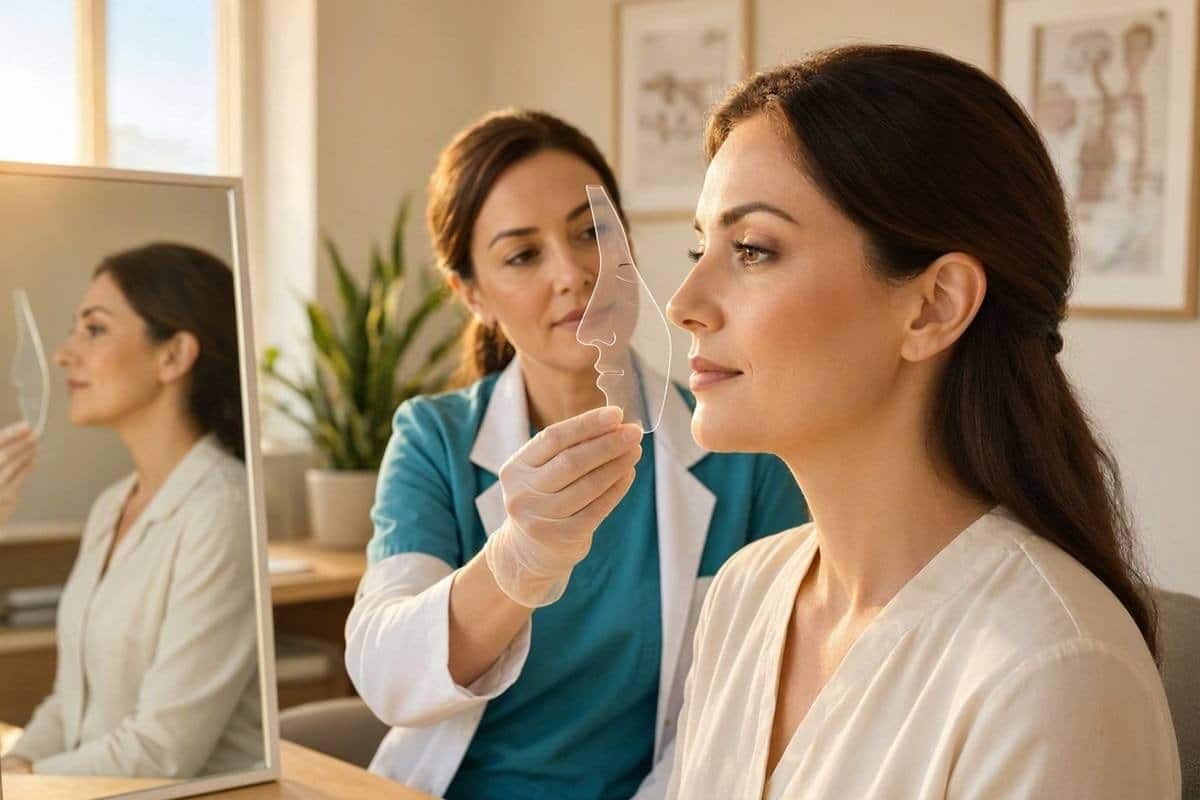
Facial harmony is about how different facial features work together. The chin, jawline, nose, lips, and forehead all play an important role in creating a balanced appearance. Even a small difference in one feature can change how the entire face looks. The chin is especially important because it helps shape the lower face and gives the side profile its natural structure.
A weak chin can make the lower face appear less defined or slightly out of balance. It may also make the nose look more prominent or change the appearance of the jawline. However, having a weak chin does not mean that a face is unattractive. People exploring weak chin treatment without surgery should first understand how chin structure affects their overall facial proportions.
What Is a Weak Chin?
A weak chin refers to a chin that has less forward projection compared to other facial features. When viewed from the side, it may look smaller, recessed, or positioned further back. This can make the lower face appear less defined and reduce the natural separation between the chin and neck. As a result, the overall facial profile may look slightly unbalanced.
This facial feature can occur in both men and women. Some people naturally have a recessed chin due to genetics, while others may notice changes as they age. In certain cases, the chin bone is naturally small, while in others, the lower jaw sits further back. Understanding these differences can help people explore suitable options, including weak chin treatment without surgery, to improve chin definition and facial balance.
What It Says About Facial Harmony?
Facial harmony depends on the relationship between different facial features. A chin that sits further back can change how the nose, lips, jawline, and lower face appear. It does not always indicate a problem, but it can influence the overall balance of the face.
1. Balance Between the Nose and Chin
The nose and chin are two important features in a side profile. Their positions help create a balanced facial outline. When the chin is recessed, the nose may appear larger or more noticeable, even if its actual size is normal. This happens because the chin provides less forward balance to the face.
2. Lip Position
The position of the chin can also affect how the lips look from the side. When the chin sits further back, the lips may appear more prominent in comparison. This can create an uneven facial outline, especially when the upper and lower lips are considered alongside the nose and chin.
3. Lower Face Proportions
The chin helps define the shape and proportions of the lower third of the face. A small or recessed chin can make this area look shorter or less structured. It may also reduce the visual separation between the chin and neck, affecting the overall appearance of the lower face.
4. Jawline Definition
A well-defined jawline depends on several factors, including bone structure, skin quality, and soft tissue. A weak chin may make the jawline appear less sharp or less prominent. However, chin projection is only one part of the picture, and other facial features also influence jawline definition.
How It Affects the Side Profile?
The side profile gives a clear view of how the nose, lips, chin, and jawline relate to one another. A recessed chin can change the overall outline of the face by creating less projection in the lower facial area. As a result, the nose may look more prominent, while the jawline may appear softer. This can make the face seem less balanced from certain angles.
Another noticeable effect is the appearance of the chin and neck area. When the chin has limited forward projection, the transition between these areas may look less defined. People researching weak chin treatment without surgery should understand that bone structure, skin quality, and soft tissue all contribute to this appearance. A proper profile assessment considers the entire face rather than judging the chin alone.
Common Causes of a Weak Chin
Several factors can contribute to a weak or recessed chin. The most common causes include:
- Genetics: Inherited facial bone structure.
- Jaw development: Limited forward growth of the lower jaw.
- Ageing: Changes in skin, bone, and soft tissue.
- Dental alignment: Certain bite problems can affect jaw position.
- Injury: Trauma may change the structure of the jaw or chin.
- Natural variation: People naturally have different chin shapes and sizes.
Finding the main cause is important before choosing a treatment. A dentist, orthodontist, or facial specialist can examine the chin and jaw. They can also suggest the right option based on individual needs.
Can It Affect Facial Confidence?
Facial appearance can influence how people feel about themselves. Some individuals with a weak chin may become more aware of their side profile, especially in photographs or videos. They may feel that their nose looks too large or that their jawline lacks definition. These concerns can sometimes affect their confidence in social situations.
However, facial harmony is not based on having perfect proportions. Every face has unique features, and a recessed chin does not reduce someone’s attractiveness or personal value. Understanding natural facial structure can help people make informed decisions about their appearance. Confidence should always come from self-acceptance rather than pressure to meet unrealistic beauty standards.
Treatment and Improvement Options
People who want to improve chin projection have several options. The right approach depends on their facial structure, personal goals, age, and overall dental and jaw health. Those considering weak chin treatment without surgery may explore non-surgical options to improve their facial profile. For example, people researching chin filler in Indiana may consider this option to improve chin projection, enhance lower-face definition, and create better facial balance.
- Chin fillers: Temporary improvement in chin projection.
- Chin implants: Surgical enhancement of chin size and shape.
- Sliding genioplasty: Surgery to reposition the chin bone.
- Orthodontic treatment: Helps correct certain dental alignment problems.
- Jaw surgery: May help address significant jaw-related concerns.
- Professional assessment: Identifies the most suitable treatment approach.
Each treatment has its own benefits and risks. A qualified professional should examine the face before any procedure. This helps ensure that the treatment suits the person’s facial structure and needs.
What Sets New You Aesthetics Apart?
New You Aesthetics focuses on helping people feel confident and comfortable in their appearance. As a med spa in Crown Point, Indiana, it offers aesthetic treatments that refresh natural beauty, improve facial balance, and highlight each person’s unique features. The goal is to provide personalized care that supports individual beauty goals without changing what makes someone special.
With an emphasis on natural-looking results and personalized treatment options, New You Aesthetics aims to help clients feel refreshed and confident. Whether someone wants to improve chin definition or enhance other facial features, the focus remains on understanding their needs and recommending suitable treatments. This approach makes every aesthetic journey more personal, helping clients feel good about the way they look while embracing their natural beauty.
Conclusion
A weak chin can influence facial harmony by changing the relationship between the nose, lips, jawline, and lower face. It may affect side-profile balance and make the chin appear less defined. However, these changes depend on individual facial structure, and a recessed chin is not automatically a sign of poor facial proportions.
For people considering weak chin treatment without surgery, understanding the available options and their limitations is an important first step. The most important part of a profile check is understanding how all facial features work together. A balanced appearance does not require perfect symmetry or a specific chin shape. Ultimately, facial harmony is about balance, not perfection.
Leave a Comment