

The sensory experience of a home is often defined by the subtleties of its atmosphere—the way light catches a surface, the tactile comfort of a textile, and, crucially, the invisible imprint of fragrance. For generations, the lighting of a candle has been the quintessential method of transforming a space, shifting a room from the merely functional to the profoundly sanctuary-like. However, as we have become more adept at scrutinizing the provenance of our nutrition and the safety of our household cleaning agents, a new standard of awareness is emerging regarding the air we generate through these combustion rituals. It is becoming increasingly evident that the products we burn are not mere aesthetic accessories; they are active, chemical participants in our indoor ecosystem. As we seek to better understand the scientific interplay between fragrance, fuel, and fire, many discerning homeowners are turning to resources like the Willis Candle Shop to demystify the complex chemistry behind a high-performance burn. By shifting our perspective to view home fragrance through the lens of material science rather than decorative marketing, we empower ourselves to make informed, healthier choices for the environments in which we live, work, and recover. We are no longer passive participants in the home goods market; we are consumers with agency, looking for the underlying data that dictates how our air is affected by the combustion of wax and oils.
To appreciate why this shift in understanding is necessary, one must first deconstruct the dominant economic model that has defined the candle industry for over a century: the paraffin-based commodity market. Paraffin, a refined derivative of crude oil distillation, is the undisputed workhorse of the mass-market fragrance sector. It is prized by industrial manufacturers for its consistency, its low cost, and its extraordinary capacity to carry heavy fragrance loads. However, from a chemical engineering standpoint, paraffin is an incomplete fuel. When burned in its pure state, it is prone to producing significant particulate matter—soot—that can settle on surfaces and degrade indoor air quality. To mask these inherent structural flaws, industrial manufacturers have developed a complex suite of chemical stabilizers. Compounds such as Vybar and microcrystalline wax are routinely added to the paraffin matrix to force the wax to behave in ways it was not naturally designed to do: to resist melting in extreme temperatures and to maintain a flawless, smooth appearance on the retail shelf. These additives are essentially “aesthetic insurance,” ensuring that the candle remains visually perfect for the consumer, but often at the expense of a clean, stable combustion profile.
The second, and perhaps more nuanced, error in the current home fragrance landscape lies in the fervent “all-natural” movement, which advocates for the exclusive use of essential oils. While the desire to move away from petroleum-based paraffin is well-founded, the botanical alternative often falls victim to a fundamental misunderstanding of thermodynamics. The logic that a substance safe for topical application—such as an essential oil in a body lotion or soap—is inherently safe when subjected to a flame is scientifically flawed. A candle wick acts as an intense point-source of heat, regularly generating temperatures that exceed 2,000 degrees Fahrenheit. If you were to examine a premium Fall & Winter Candle Collection, you would find that the fragrance oils used are distinct from the raw, unrefined essential oils found in an aromatherapy diffuser. Botanical extracts, when subjected to these extreme temperatures, undergo rapid thermal degradation, breaking down into acrid, chemically unstable compounds that bear little resemblance to their original, therapeutic state. They are not thermally resilient, and they often cause the flame to flicker, smoke, and produce volatile organic compounds (VOCs) that undermine the very health benefits the “natural” marketing narrative promises to provide.
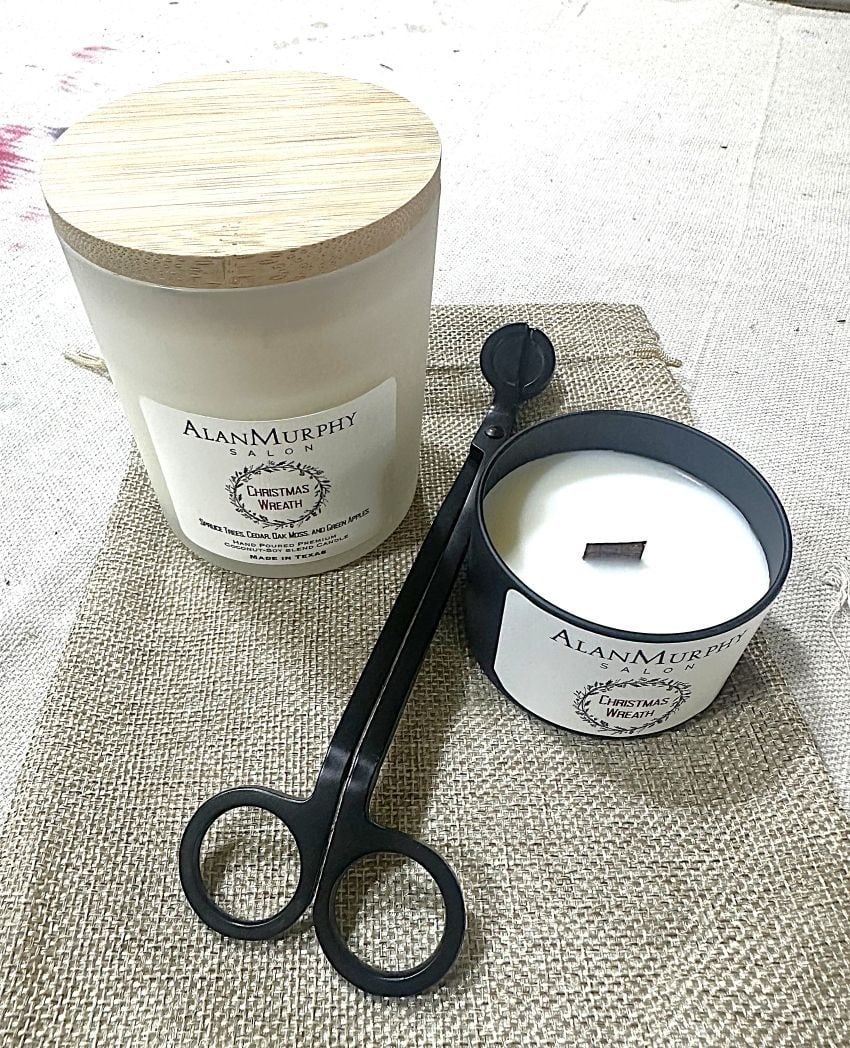
The solution, which is gaining traction among those who value both safety and sensory excellence, is the development of engineered fragrance oils specifically formulated for the high-heat environment of a candle. This is not a move toward the “synthetic” in a negative sense, but rather a move toward the “precision-engineered” in a technical sense. Modern fragrance chemistry now allows for the creation of aromatic profiles that are designed to remain chemically inert and stable until they reach the precise threshold of the wick, where they are volatilized into the air as clean, consistent scent. This methodology requires an intimate understanding of the flash point, the vapor pressure, and the molecular weight of every component within the fragrance blend. By formulating these oils to interact harmoniously with a specific wax matrix—such as a balanced blend of soy, coconut, and small amounts of beeswax—manufacturers can create a combustion profile that is nearly soot-free and aromatically stable, preventing the chemical breakdown that plagues both the paraffin commodity market and the unstable essential oil artisanal market.
Furthermore, the physical construction of the candle—the wick, the wax-to-fragrance ratio, and the vessel geometry—must work in concert with the chemical formulation to ensure optimal performance. In a properly engineered candle, the “melt pool” is the site of a controlled chemical reaction. If the melt pool becomes too large, the heat becomes excessive, and the fuel (the wax and fragrance oil) is burned inefficiently, leading to the very soot production we strive to avoid. High-end manufacturers use proprietary algorithms to match wick diameter to wax density, ensuring that the flame remains steady and the heat output is constant. This is not guesswork; it is fluid dynamics and thermal engineering applied to a desktop scale. By controlling these variables, manufacturers can ensure that the fragrance is released into the air without the secondary production of harmful particulate matter or unwanted chemical byproducts.
As we move toward a future where our domestic habits align more closely with our ethical and health-related values, the standard for our home environment is rising. We are no longer satisfied with products that simply “smell good” while compromising the air we breathe. We are demanding products that function as precision instruments, designed to provide sensory pleasure without the byproduct of pollution. This represents a mature, sophisticated shift in consumer behavior—a realization that the sanctity of the home is something to be actively protected and curated. By choosing candles that respect the laws of thermodynamics and the principles of clean combustion, we are participating in a quiet revolution, proving that even the simplest rituals can be elevated by the application of rigorous science. It is time to treat our home fragrance with the same level of concern we treat our air filtration systems, our water sources, and our nutritional intake.