

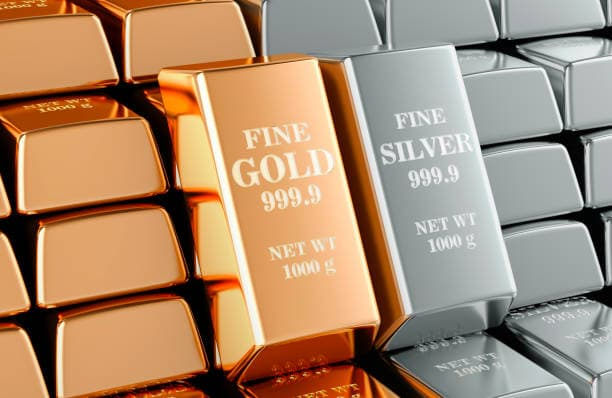
Ever wondered why that gleaming bar of 15 tola gold feels heavier on your wallet some days and lighter on others? It’s not just about tradition or beauty, it’s a dance of global forces, local whispers, and market moods. The price of 15 tola gold isn’t set in a vault somewhere—it pulses and shifts with the world’s heartbeat. From the bustling markets of Mumbai to the trading floors of New York and London, a complex web of factors tug at its value. Whether you’re an investor, a soon-to-be bride’s family, or simply curious, understanding these drivers isn’t just finance, it’s about reading a story written in economic indicators, geopolitical tensions, and human sentiment. Let’s peel back the layers on what really makes the 15 tola gold price tick and, more intriguingly, how one might attempt to gaze into the crystal ball to predict its future path.
Global Economic Currents and the 15 Tola Gold
At its core, gold is the world’s favorite safe-haven asset. When the global economy catches a cold, gold often shines brighter. Think about times of high inflation. When currencies lose purchasing power, people flock to tangible assets. The price of 15 tola gold, directly tied to the international gold spot price, typically rises as inflation erodes the value of paper money. Central bank policies, especially from powerhouses like the US Federal Reserve, are massive drivers. When interest rates are low, gold, which doesn’t offer yield, becomes more attractive. Conversely, when rates rise, the opportunity cost of holding gold increases, which can pressure its price. So, a Fed announcement can ripple across oceans and directly impact the cost of your local 15 tola gold bar. Global economic uncertainty, recessions, or stock market volatility send investors scrambling for safety, and gold is the classic port in that storm. Therefore, keeping an eye on major economic data releases, inflation reports, and central bank meeting minutes is crucial for anyone tracking the trajectory of the 15 tola gold price.
The Local Lens: Demand, Duties, and Currency Swings
While global prices set the baseline, the final 15 tola gold price you see in a jeweler’s window is deeply local. In countries like India, where gold is woven into cultural and religious fabric, domestic demand is a powerhouse. Festive seasons and wedding periods see demand surge, often pushing local premiums higher regardless of international trends. Then there’s the government’s hand. Import duties and taxes add a significant layer to the final cost. A change in customs duty can immediately alter the landed cost of gold, making the 15 tola gold price more expensive overnight for domestic buyers. Furthermore, currency exchange rates play a pivotal role. Since gold is globally traded in US dollars, a weakening local currency against the dollar makes importing gold more expensive, thereby increasing the domestic 15 tola gold price. For instance, if the Indian Rupee weakens against the Dollar, the INR cost of gold rises even if the international Dollar price stays flat. This interplay between robust local demand, fiscal policy, and currency volatility creates a unique price dynamic for the 15 tola gold price in any given market.
Geopolitical Tremors and Market Sentiment
Gold has an uncanny ability to sense world tension. Geopolitical events—be it wars, trade disputes, or political instability—act as immediate catalysts. In times of crisis, the flight to safety is instinctive, and gold is the ultimate asset that’s no one’s liability. News of conflict can send the international spot price, and consequently the 15 tola gold price, soaring within hours. Beyond hard news, there’s the softer, but equally powerful, force of market sentiment and speculation. Trader psychology, driven by headlines and technical analysis, can create self-fulfilling prophecies. If a large number of traders believe gold will rise and start buying futures contracts, the price does rise. This speculative activity can sometimes decouple the 15 tola gold price from its fundamental drivers in the short term, creating volatility. Watching news wires and understanding the general risk appetite in financial markets is key to deciphering these sudden jumps or dips in the value of 15 tola gold.
Mining, Supply, and the Physical Pipeline
The story isn’t all about demand and sentiment, supply matters too. Gold mining output, production costs, and discoveries of new reserves influence the long-term supply picture. If mining becomes more expensive due to energy costs or environmental regulations, it can provide a floor for prices. Central banks themselves are major players, they are net buyers or sellers of gold. When central banks, especially from emerging economies, add to their gold reserves, it signals confidence in the metal and absorbs physical supply, providing upward pressure on the global benchmark that defines the 15 tola gold price. Recycling of old gold jewelry also adds to supply, which can temper price rises during high-demand periods. While these supply-side factors often work on a longer timeline than daily news events, they form the fundamental bedrock upon which prices are built, subtly shaping the cost environment for every 15 tola gold bar sold.
Charting the Unknown: How to Gauge Future Trends
Predicting the future 15 tola gold price with certainty is, of course, impossible. But educated forecasting is possible by synthesizing the drivers we’ve discussed. A multi-pronged approach works best. First, fundamental analysis involves monitoring the macro factors: inflation trends, real interest rates (interest rate minus inflation), the strength of the US dollar, and global growth forecasts. A dashboard of these indicators can provide a directional bias. Second, technical analysis studies historical price charts of gold to identify patterns, trends, and support/resistance levels. Many traders use this to time their entries and exits, which collectively influences the very 15 tola gold price they’re trying to predict. Third, stay attuned to sentiment indicators, like commitments of traders reports or gold ETF flow data, to gauge whether the market is overly bullish or bearish.
Perhaps the most practical tool for individuals is a disciplined cost-averaging approach, especially if gold is part of a long-term savings plan. Instead of trying to time the perfect low for buying 15 tola gold, regular purchases smooth out volatility. Also, use reliable local price trackers that account for premiums and duties to understand the real-time landscape. Remember, the goal isn’t to predict the exact number but to understand the probability of upward or downward movement. By weaving together threads from global economics, local markets, and geopolitical news, one can form a reasoned outlook on where the 15 tola gold price might be headed, making informed decisions whether for investment, gifting, or personal security. In the end, gold’s lure is timeless, and its price is a fascinating reflection of our world in flux.
Bitget offers traditional unit insights with 15 tola gold price, converting into INR using real-time gold rates.