

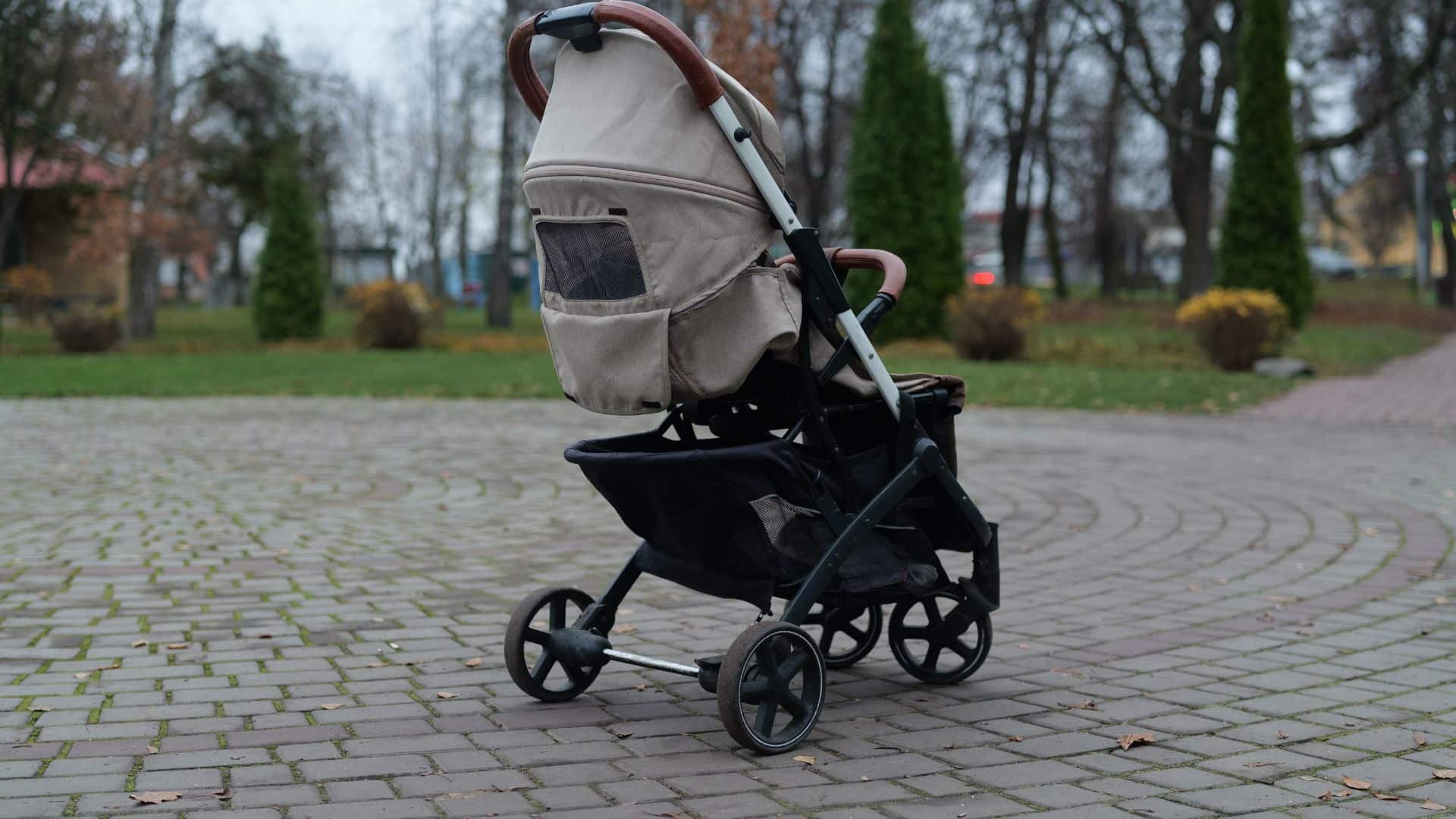
Let’s be honest, buying a stroller feels like it should be simple. It’s a stroller. How complicated can it be? Then you start researching, and suddenly you’re three hours deep into forum debates, comparison spreadsheets, and contradictory reviews. Welcome to parenthood.
Here’s the thing: choosing the right stroller for your newborn isn’t just another item to check off the registry list. It directly affects your baby’s safety, your daily sanity, and, more than you’d expect, your family’s quality of life for the next several years.
This newborn stroller buying guide is designed to cut through the noise and give you something genuinely useful. Real criteria. Real comparisons. No fluff.
Now let’s talk about what actually separates a genuinely newborn-ready stroller from one that just looks good in photos.
The Essentials: What Makes a Stroller Right for a Newborn
Not every stroller works during the newborn stage. Many parents learn this the hard way, purchasing something stylish that turns out to be wildly impractical for an infant who can’t yet support their own head.
Non-Negotiable Features You Should Know About
When evaluating the best stroller for newborns, certain features are simply not optional. A full flat or near-flat recline is the most critical, newborns have zero head and neck control, and semi-upright positions can restrict airways. A five-point harness provides the secure positioning their little bodies need.
Beyond that? Padded seat inserts, an adjustable canopy, and smooth folding mechanisms matter more than most first-time parents anticipate. One-hand folding sounds like a minor luxury until you’re standing in a parking lot, holding a squirming newborn, trying to collapse a stroller that requires two hands and a PhD.
Storage baskets and cup holders aren’t glamorous. They’re essential. Modular and convertible designs add long-term value by adapting as your child grows; some even convert to double configurations, which becomes relevant faster than you’d think.
Innovations Reshaping Newborn Travel Stroller Design
The baseline has shifted considerably. A newborn-friendly travel stroller today may include eco-conscious recycled fabrics, anti-bacterial linings, and suspension wheels engineered for both smooth sidewalks and rough terrain.
Smart technology is entering the category too, GPS tracking, auto-brake sensors, and ultra-compact frames designed to fit in airplane overhead compartments. These aren’t marketing buzzwords anymore. For many parents, these features genuinely improve everyday life.
Stroller Safety for Newborns: What You Actually Need to Verify
Innovations are exciting. Safety is non-negotiable. Before any other consideration, here’s what you need to understand about how newborn strollers are evaluated and certified.
Common Mistakes Even Well-Researched Parents Make
Even parents who’ve done their homework fall into predictable traps. Weight distribution and tip stability are frequently overlooked, but they are critically important when a newborn is in the seat. Car seat compatibility is another assumption people make incorrectly. Not every stroller pairs with every car seat. Confirm compatibility explicitly.
Lockable front swivel wheels are underappreciated until you hit uneven pavement and watch the stroller veer sideways. That’s not a minor inconvenience with a newborn inside.
A Practical Checklist for First-Time Buyers
Stroller safety for newborns ultimately comes down to hands-on verification. Test the harness lock. Apply the brakes on a slight incline. Confirm the recline reaches fully flat. Run your hand along the frame and the folding mechanism; sharp edges are disqualifying.
Six things to check in under five minutes: harness security, brake strength, recline angle, wheel lock, car seat compatibility, and frame stability. Print it. Use it.
What About Double Strollers and Wagon Strollers?
Double strollers can accommodate newborns, but only when the newborn-facing seat reclines completely flat. Don’t assume. Confirm. Wagon strollers are generally not suitable for newborns unless they include a dedicated infant-specific insert designed for that purpose.
Finding the Right Fit: Practical Buying Guidance
Seeing the top-rated models is helpful. But the best stroller for another family may be entirely wrong for yours.
Match the Stroller to Your Terrain First
City parents need slim profiles and easy maneuverability on public transit. Suburban families can manage slightly larger frames with more storage capacity. Rural parents should prioritize genuine suspension and durable wheel construction. Matching your stroller to where you actually go makes a more meaningful difference than most product specs will tell you.
Materials and Build Quality: What Holds Up
Aluminum frames provide the best balance of strength and weight. Fabrics should be hypoallergenic and wipeable, because newborn messes are relentless and don’t wait for convenient timing.
Warranty and Return Policies: Don’t Skip This Part
Even well-built strollers encounter unexpected issues. A two-year minimum warranty is a reasonable baseline expectation. Many brands offer a 45-day return policy alongside accessible customer service and available replacement parts, giving you genuine protection after purchase, not just at the point of sale.
Accessories That Actually Improve Your Daily Experience
You’ve identified the right stroller. Now equip it properly.
Safety and Comfort Add-Ons Worth Having
Weather shields are essential for year-round outdoor use. Footmuffs keep newborns warm without relying on loose blankets, which carry their own risks. A firm mattress insert supports proper spinal alignment when the seat isn’t in full recline. These aren’t optional upgrades; they’re practical safety tools.
Tech Additions That Reduce Daily Friction
Phone mounts, USB charging ports, and clip-on baby monitors reduce the number of things you’re juggling mid-walk. A quality cup holder sounds trivial until you’re two hours into a stroll and desperately need both hands free. Small things add up quickly when you’re already stretched thin.
Keeping Your Stroller in Long-Term Working Condition
The right stroller only delivers full value if you maintain it.
Spot-clean fabric weekly using a damp cloth and mild soap. Remove and machine-wash seat liners whenever possible. Store the stroller folded in a dry environment; moisture accelerates frame corrosion faster than most people expect. Clean wheels quarterly to prevent dirt buildup that gradually degrades maneuverability.
What Real Parents Are Actually Saying in 2026
One lesson experienced parents share repeatedly: test the fold mechanism before you buy. Many regret purchasing online without physically confirming how fast and intuitively the stroller collapses. A stroller you struggle with daily gets left in the garage, and that defeats the entire purpose of owning one.
The Bottom Line on Your Newborn Stroller Search
Choosing the right stroller shapes your day-to-day life more than most new parents anticipate. From stroller safety for newborns to lifestyle fit, build quality, and the right accessories, every detail compounds over time. You’re not just buying a piece of equipment; you’re investing in how smoothly your daily life with a newborn actually runs.
Use the safety checklist. Test the fold in the store. Compare the best strollers for newborns against your actual terrain and lifestyle, not just review scores. The right stroller is absolutely out there. And now you know how to find it with confidence.
Frequently Asked Questions
Can newborns lie flat in compact travel strollers without a bassinet?
Yes, provided the stroller offers a true full flat recline, ideally around 170 degrees. A bassinet adds more structural support, but a proper flat recline is a safe and practical alternative for most newborns.
Stroller or baby carrier in the first weeks, which is better?
Carriers often win in the very early weeks for bonding and flexibility. Strollers become more practical as your baby grows and trips get longer. Most parents end up using both depending on the day.
Can a stroller be used for overnight sleep?
Only if the specific model and bassinet component carry an overnight-sleep certification. Standard strollers with flat recline are not approved for unsupervised overnight use, even when they appear flat enough.