

Introduction
Choosing cannabis products online can be more complicated than selecting the product with the highest THC percentage or the lowest price. A modern online cannabis catalogue may contain flower, pre-rolls, edibles, vape products, concentrates and other formats, with each option offering different characteristics. Product names, cannabinoid levels, flavours, quantities and serving information can make the decision even more detailed.
For Canadian adult consumers, a better approach is to consider the complete product profile before placing an order. The consumption format, potency, ingredients, personal preferences, previous experience and available product information can all influence whether a particular option is suitable. Understanding these factors can make online cannabis shopping more organised and reduce the temptation to choose based solely on promotional claims.
A structured approach also helps consumers distinguish between product characteristics that genuinely matter and marketing language that may not provide useful information. By considering several factors together, shoppers can create a practical shortlist and make more informed decisions when browsing an online cannabis dispensary.
Start With the Type of Cannabis Experience You Prefer
The first step in choosing cannabis online is deciding which product format best matches the consumer’s familiarity, preferences and circumstances. Flower, pre-rolls, edibles, vapes and concentrates are not interchangeable, even when they contain similar cannabinoids.
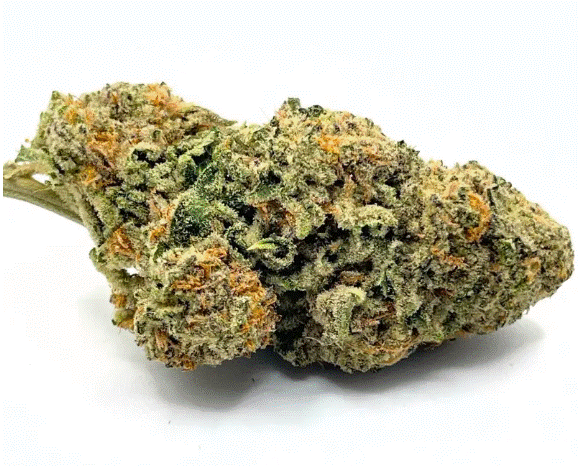
Cannabis flower is the traditional format and allows consumers to see, smell and assess the physical characteristics of the product before use. Pre-rolls provide a more convenient format because the preparation stage has already been completed. Vapes offer another convenient option, while concentrates contain cannabinoids in a more concentrated form and therefore require particular attention to potency.
Edibles differ substantially because the cannabinoids are consumed rather than inhaled. Their effects can take longer to become noticeable and may last considerably longer than those associated with inhaled cannabis. This makes product format an important consideration for consumers who are unfamiliar with edibles.
Previous experience should also influence the selection process. Someone familiar with cannabis flower may have a clearer understanding of personal preferences than someone purchasing cannabis for the first time. Consumers with limited experience generally benefit from avoiding unnecessarily high-potency products and carefully following product-specific serving information.
Choosing the format first also makes online shopping easier. Instead of immediately comparing dozens of individual products, consumers can narrow the catalogue to the categories that actually suit their preferences. This creates a more focused starting point for evaluating potency, flavour, quantity and price.
Understand Potency Without Treating THC as the Only Measure of Quality
THC is one of the most visible figures on a cannabis product label, but it should not automatically be treated as a measurement of overall quality. THC, or tetrahydrocannabinol, is the primary intoxicating cannabinoid in cannabis, while CBD, or cannabidiol, is another well-known cannabinoid with different properties.
A product with a higher THC concentration is not necessarily a better choice. Potency should instead be considered in relation to a consumer’s previous experience, preferred product format and intended use. For consumers who are inexperienced with cannabis, choosing products with very high THC levels can make it more difficult to judge an appropriate amount.
CBD content can also provide useful information when comparing products. Some consumers specifically look for products containing CBD, while others may prioritise THC or a particular cannabinoid balance. Looking at the complete cannabinoid profile therefore provides more useful information than focusing on one number.
Terpenes are another consideration. These naturally occurring aromatic compounds contribute to the scent and flavour characteristics of cannabis. Different terpene profiles can create noticeably different sensory experiences, making them useful when consumers are comparing products based on aroma and taste.
Potency is therefore best viewed as one part of a wider product assessment. Quality can involve consistency, cannabinoid composition, terpene profile, freshness, ingredients and suitability for the individual consumer. A balanced evaluation gives shoppers more useful information than simply searching for the strongest available option.
Learn How to Read Product Descriptions and Labelling
Online cannabis shopping removes some of the physical cues available in a traditional retail environment. Consumers cannot directly examine a product before ordering, which makes accurate product descriptions and labelling especially important. A careful reading of the available information can help distinguish between products that initially appear similar.
Product weight is one of the first details to check. Two cannabis products can have similar prices while containing different quantities, so comparing the amount alongside the overall cost gives a more accurate picture of value. The product format should also be clear, particularly when comparing flower, pre-rolls, concentrates, edibles or vape products.
Cannabinoid information deserves close attention as well. Consumers can compare THC and CBD concentrations while considering whether the figures refer to the total product or a particular serving. This distinction becomes particularly important for edibles and other products where serving information affects how the product is evaluated.
Ingredients are another important consideration, especially for edibles, vape products and other processed cannabis products. Checking the ingredient list can identify additional substances, flavourings or allergens that may be relevant to a consumer’s preferences.
For shoppers researching a Canadian online dispensary, a clear catalogue can make this process considerably easier. West Coast Bud is a Canadian online dispensary offering cannabis products to customers across Canada, including cannabis flower, concentrates, vape pens, edibles and other cannabis products. When browsing a catalogue such as this, consumers can compare product categories and descriptions before deciding which options deserve closer consideration.
Product descriptions should still be read critically. Terms such as “premium”, “strong” or “high quality” may provide less practical information than measurable details such as cannabinoid content, weight, ingredients and format. The most useful product research focuses on information that allows one option to be compared objectively with another.
Match Product Characteristics to Personal Preferences
Once the basic product information has been reviewed, consumers can narrow their choices according to personal preferences. Cannabis selection is not entirely objective because different adults may value different characteristics. One person may prioritise aroma and flavour, while another may care more about convenience, format or cannabinoid composition.
Several factors can help create a more personalised comparison:
- Flavour and aroma: Flower and extracts can have distinctive sensory characteristics influenced by their terpene profiles. Consumers who value taste and aroma may want to compare terpene information and product descriptions rather than selecting solely according to potency.
- Texture and physical characteristics: The appearance and texture of cannabis flower can help consumers understand what they are purchasing. Excessively dry material, unusual moisture or poor handling may affect the overall experience, while concentrate texture can vary according to processing and storage.
- Convenience: Pre-rolls, vapes and other ready-to-use formats may appeal to consumers who place a high value on convenience. Flower may involve additional preparation, while some concentrate formats may require suitable equipment.
- Consumption preferences: Different formats provide different consumption methods. Consumers should consider whether they are familiar with a particular format and whether it fits their usual circumstances before adding it to an online order.
- Previous experience: Keeping simple notes about products that were particularly appealing or unsuitable can make future cannabis shopping more efficient. Recording format, flavour, potency and other relevant characteristics can help identify personal preferences over time.
Personal response can also vary considerably. A product that another consumer describes positively may not produce the same experience for everyone. This is one reason why reviews and recommendations are best treated as supplementary information rather than definitive instructions.
Build a Sensible Online Shopping Shortlist
A large cannabis catalogue becomes easier to navigate when consumers create a shortlist instead of comparing every available product. After deciding on a preferred format and identifying relevant cannabinoid and sensory characteristics, the next step is to narrow the options to a manageable number.
Price should be compared alongside quantity rather than viewed in isolation. A product with a lower headline price may contain substantially less cannabis than another option. Looking at the amount supplied and the total cost provides a more meaningful comparison.
Bundles and mix-and-match options can also be useful when they genuinely match a consumer’s planned purchases. Variety can provide an opportunity to compare different products, but a discount should not encourage unnecessary purchasing. Buying a larger quantity simply because the unit price is lower may not represent good value if the additional products are unlikely to be used.
The final shortlist can then be compared according to several criteria, including:
- Product format and familiarity
- THC and CBD content
- Quantity and overall price
- Ingredients and serving information
- Aroma, flavour or other sensory characteristics
- Product descriptions and available specifications
Before completing an order, consumers should also review the retailer’s shipping information, age-verification requirements and ordering policies. Canadian cannabis purchases are subject to legal requirements, so shoppers should ensure that they meet applicable age requirements and understand the rules relevant to their location.
A shortlist of two or three suitable products is often more useful than browsing an entire catalogue without a clear purpose. The objective is not to identify the most powerful or expensive product, but to find an option that aligns with the consumer’s preferences and level of familiarity.
Make the Final Choice With the Complete Product Picture
The final decision should bring together all the information collected during the shopping process. Instead of allowing one characteristic to dominate the decision, consumers can evaluate how the different elements work together.
- Check the format first: The selected product should be appropriate for the consumer’s familiarity and preferred method of consumption. A highly potent product in an unfamiliar format may not be a sensible choice simply because its specifications appear impressive.
- Review cannabinoid information: THC and CBD levels should be considered alongside serving information and product quantity. This provides a more complete understanding of what the product contains.
- Compare value carefully: The total price, quantity and any applicable delivery costs should be considered together. This prevents a low advertised price from creating a misleading impression of value.
- Read the complete product description: Important details can include ingredients, weight, cannabinoid information, serving guidance and storage recommendations. These details are more useful for comparison than broad promotional claims.
- Consider personal preferences: Flavour, aroma, convenience, texture and previous experience can all influence product satisfaction. A product that fits those preferences may be a more appropriate choice than one selected purely for its potency.
This final review also provides an opportunity to avoid impulse decisions. If a product does not meet the criteria established at the beginning of the shopping process, a discount, attractive packaging or high THC percentage does not necessarily make it a better option.
Conclusion
Choosing cannabis products online becomes considerably easier when consumers use a structured comparison process. Rather than focusing exclusively on price or THC percentage, a more informed approach considers product format, potency, cannabinoid composition, ingredients, sensory characteristics, quantity and personal preferences.
Starting with the preferred consumption format helps narrow a large catalogue. Understanding THC, CBD and terpenes provides additional context, while careful reading of product descriptions helps consumers compare products objectively. Personal preferences and previous experience can then guide the shortlist, with price and quantity providing a clearer understanding of overall value.
The most useful cannabis shopping decision is not necessarily the product with the highest potency or the lowest price. It is the product that matches the consumer’s preferences, familiarity and purchasing requirements while being selected with a clear understanding of the available information. For Canadian adult consumers, thoughtful research and responsible purchasing can make online cannabis shopping a more informed and manageable experience. For those exploring options such as West Coast Weed, the same principles can help ensure that product selection remains based on suitability and informed comparison rather than promotional appeal.
Leave a Comment